Physics and AI at WashU
Artificial intelligence (AI) is rapidly reshaping how research is done across the physical sciences — from extracting structure in high-dimensional datasets, to accelerating theory, experiment, and simulation, to enabling autonomous systems that decide what to measure next.
Few developments in recent decades have opened so many new methodological frontiers at once, and physics sits squarely at the center of them. Within our department, many researchers are already engaging with AI and Machine Learning (ML) in diverse and creative ways.
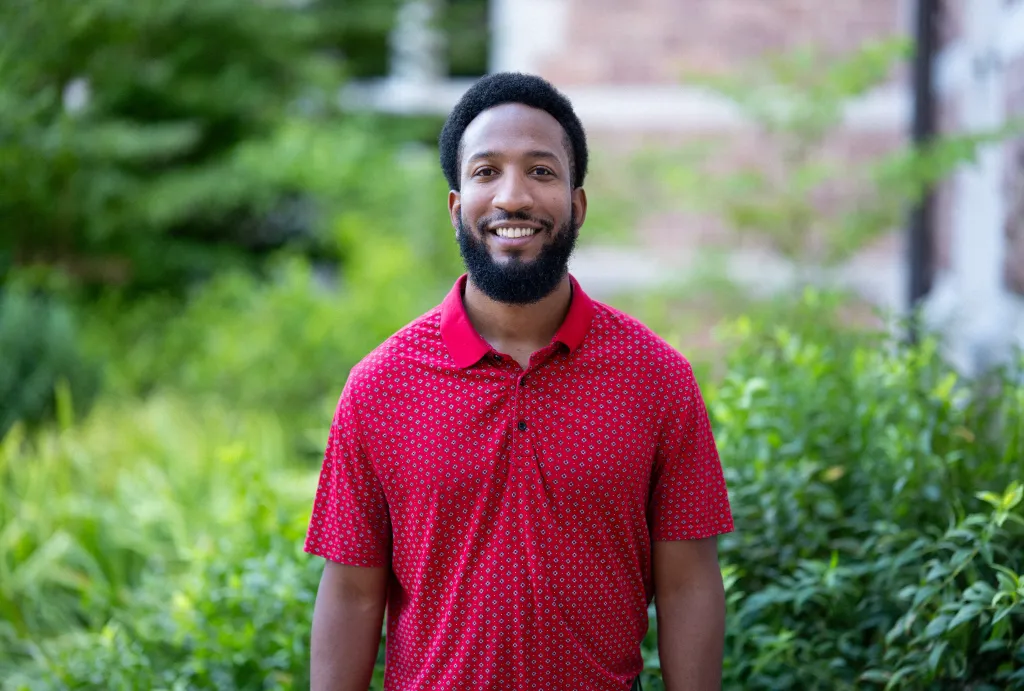
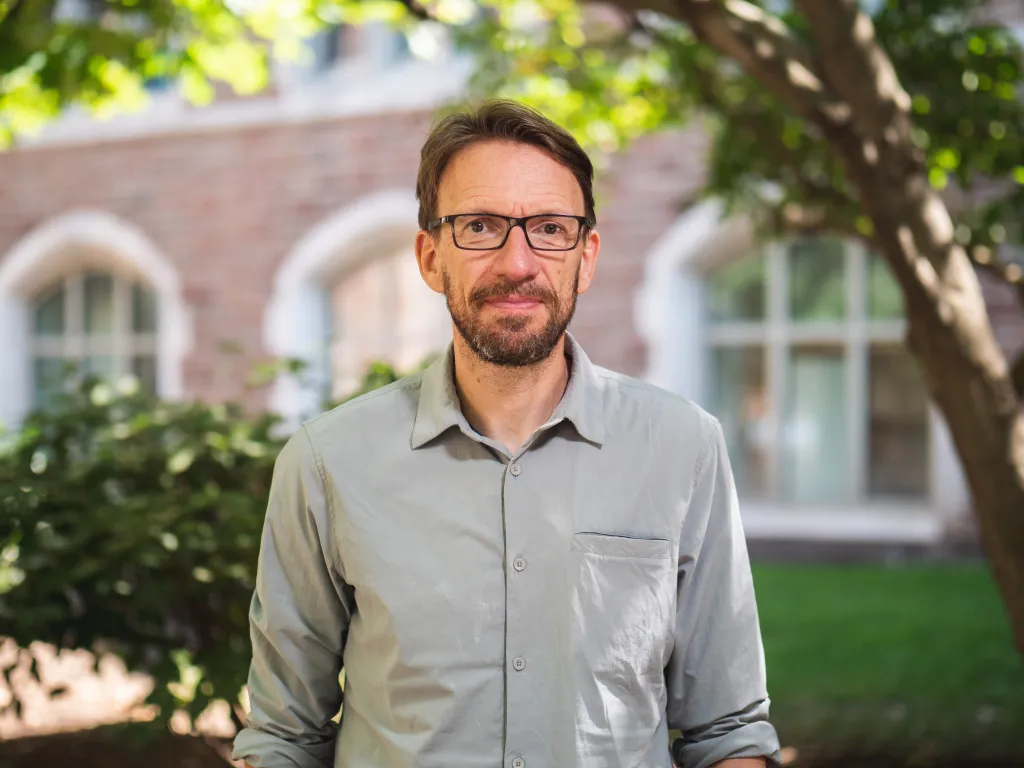
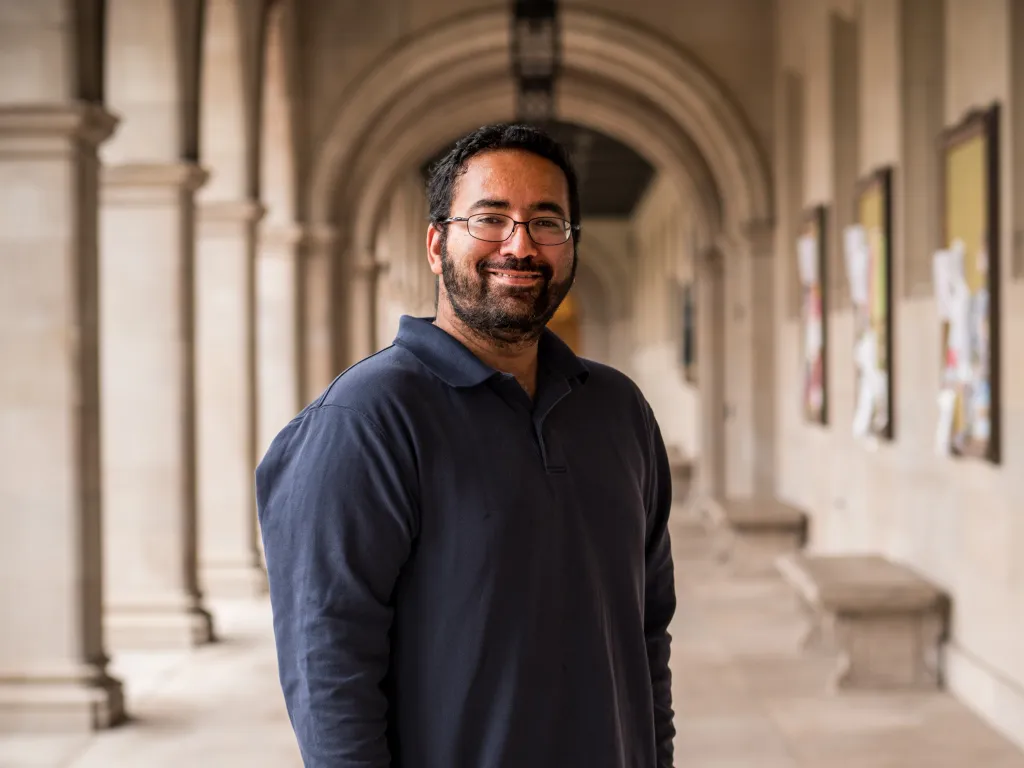
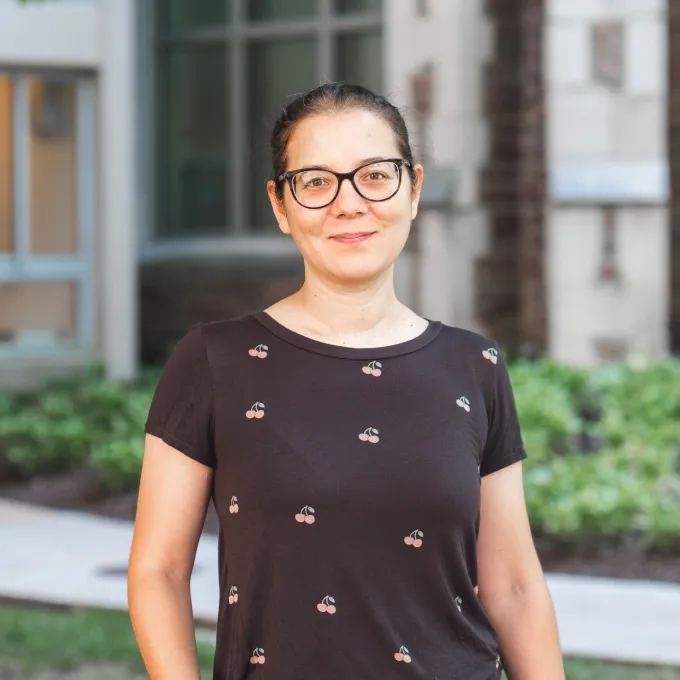
The Physics–AI Research Group brings together faculty, researchers, and students working on developing AI and ML methods, and using them to advance their physics research.
Why AI and ML matter for physics
The appeal of AI and ML to a physicist is not merely that it is powerful, but that it is well matched to the problems physics poses. Modern experiments and surveys produce data at volumes and dimensionalities that defeat conventional analysis, while many of the systems we most want to understand, e.g., strongly correlated quantum matter, nonequilibrium biological systems, astrophysical systems, resist simple description. AI and ML offer new ways to learn representations of such systems directly from data, to interpolate across regimes, and to automate inference at scale.
Physicists bring expert domain knowledge to AI and ML research. The researchers develop physics-informed models that respect physical symmetries and conservation laws, methods whose outputs come with quantified uncertainties, and develop methods to improve interpretability over black-box predictions. The work in our department lives at the boundary of using AI to do physics that was previously out of reach, while holding it to the same standards of evidence as any other measurement. Increasingly, AI is not only a tool for physics but a subject of physics, as researchers bring statistical-mechanics and many-body methods to bear on understanding learning systems themselves.
What students learn
For students, the Physics–AI Research Group is a place to build interdisplinary fluency. Across our courses and research, students learn to apply established machine-learning tools to physical problems and to understand them from first principles. Students learn how to develop new methods on their own, designing architectures that encode physical priors, building agentic and retrieval-augmented systems for scientific workflows, and constructing inference pipelines that turn raw instrument data into quantitative results. Working alongside faculty on active research, students gain hands-on experience with modern computational methods: from instrument control and data acquisition, through model design and training, to careful statistical interpretation. The aim is to graduate physicists who can move comfortably between the whiteboard, the lab, and codebases, and who invent the methods the next generation of physics will need.